- Log in to post comments
Where Philosophy Becomes a Way of Living
Zen Mind, Beginner's Mind
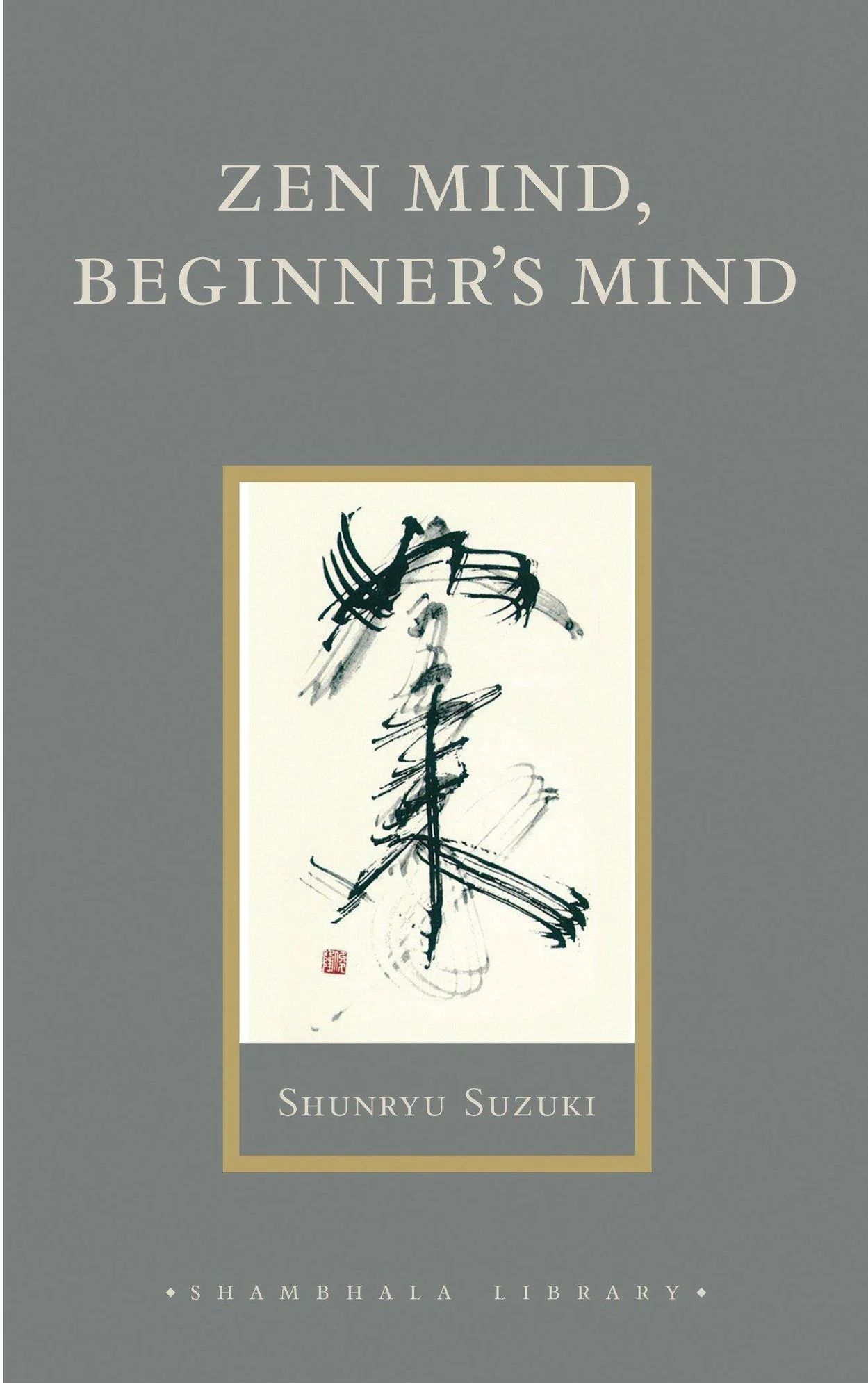
Zen Mind, Beginner's Mind
Shunryu Suzuki
Read online or download for free as PDF: https://www.arvindguptatoys.com/arvindgupta/zenmind.pdf
Shunryu Suzuki's "Zen Mind, Beginner's Mind" is a seminal text in Western Zen Buddhism, compiled from talks given by Suzuki Roshi. It offers profound insights into Zen practice, emphasizing the core principle of beginner's mind (shoshin). This concept encourages practitioners to approach every moment of their practice, and indeed life, with the same openness, curiosity, and lack of preconceptions as a beginner, free from the burdens of expectation, expert knowledge, or ego.
The book elucidates that practice itself is enlightenment, challenging the notion that enlightenment is a distant goal to be attained. Suzuki stresses the importance of letting go of any "gaining idea" - the desire for a specific outcome or reward from practice - as this attachment creates suffering and hinders true understanding.
The book delves into the practicalities of zazen, including posture and breathing, but extends these principles to all aspects of daily life. Suzuki encourages integrating Zen mindfulness into everyday activities, seeing each moment as an opportunity for practice and an expression of one's true, inherent nature (Buddha nature). A key theme is non-attachment, not only to outcomes or achievements but also to one's own thoughts and even the concept of self. The book guides readers towards a direct, experiential understanding of reality, fostering a deeper connection to the present moment and an awareness of the interconnectedness of all things.
Suzuki stresses that this beginner's mind is characterized by a lack of preconceived notions, expectations, and self-centered thoughts, allowing for endless possibilities. He teaches that true understanding arises not from intellectual grasping or striving for enlightenment, but from consistent, sincere practice - especially seated meditation (zazen) - where one simply "just sits," observing thoughts and experiences without attachment.